The Football Calendar: How Match Schedules Shape the Modern Supporter’s Experience
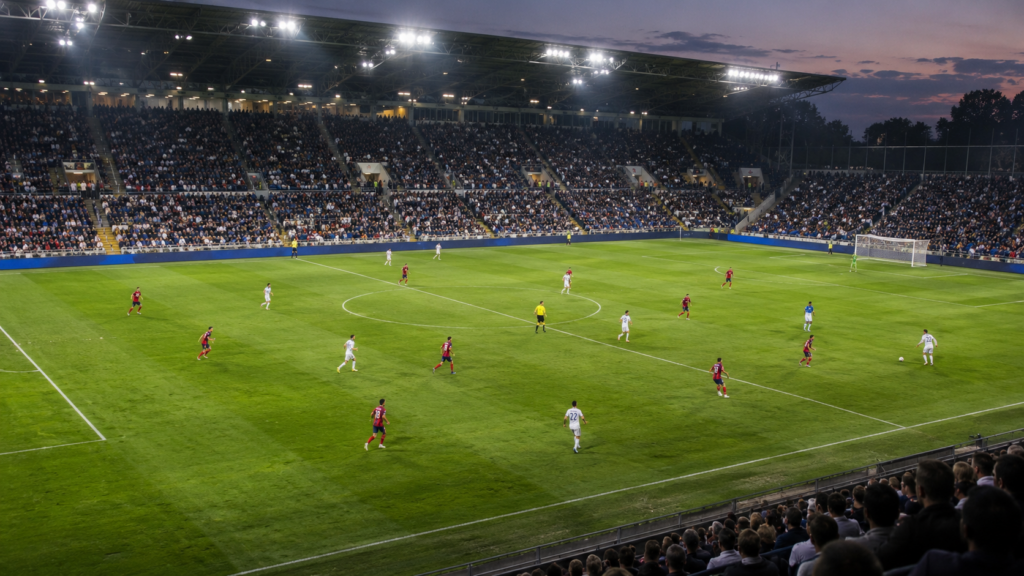
Football rarely happens in isolation. Across the world, dozens of competitions unfold throughout the week, creating a continuous sequence of matches, rivalries and unexpected results. For supporters who follow several clubs or leagues, keeping track of every important fixture has become part of the pleasure of being a football fan. A convenient way to расписание футбольных трансляций helps viewers understand what is happening on a particular day, plan their viewing time and discover encounters that might otherwise escape their attention. In an era when football is available across numerous digital platforms, knowing when and where the action takes place has become almost as important as following the results themselves.
Football Never Really Stops
One of the most noticeable features of modern football is the density of its calendar. Domestic leagues occupy much of the season, while national cup competitions, continental tournaments and international fixtures add further layers to an already demanding schedule. A supporter can follow a major championship on Saturday, watch European competition during the week and return to domestic football just a few days later.
This constant activity has changed the way people approach the sport. Football is no longer necessarily associated with one particular matchday. Important games can take place on almost any evening, while weekends may feature several attractive fixtures from different countries. For fans who enjoy following the broader football landscape, the calendar becomes a guide to the stories developing across the sport.
There is also an important difference between following one club and following football as a whole. A dedicated supporter may organise the week around the fixtures of a favourite team. A more general football enthusiast might be interested in title races, relegation battles, international rivalries and individual player performances. Both audiences benefit from having a clear overview of upcoming broadcasts.
The growing number of competitions has made organisation essential. Without a convenient schedule, even experienced supporters can overlook an interesting encounter or confuse the starting times of matches taking place in different countries.
Planning a Week Around the Beautiful Game
For many fans, checking the football calendar has become a familiar routine. At the beginning of the week, they look ahead to important fixtures, identify the competitions they want to follow and decide which evenings are likely to be especially exciting.
This simple habit can make watching football more enjoyable. Instead of searching for matches at the last minute, supporters can prepare in advance. They might reserve time for a major European encounter, arrange a weekend gathering with friends or follow a developing rivalry between two clubs.
Planning is particularly useful when several attractive matches are scheduled close together. A Saturday afternoon may include fixtures from different domestic leagues, while an evening could bring an important cup tie or a decisive championship contest. Having a clear overview makes it easier to decide which game deserves priority.
However, the schedule is not only about choosing between famous teams. It can also encourage fans to explore unfamiliar competitions. A fixture involving clubs outside the traditional spotlight may reveal an emerging player, an interesting tactical approach or a rivalry with a long local history.
In this sense, a football calendar can become a discovery tool. It helps supporters move beyond familiar names and develop a broader appreciation of the international game.
Different Leagues, Different Football Traditions
The international football calendar offers an opportunity to observe how the sport changes across different cultures. Although the rules are universal, the atmosphere, tactical priorities and historical traditions of individual competitions can be remarkably different.
English football is often associated with intense matches, physical duels and rapid transitions. Spanish football has a strong reputation for technical ability, intricate passing and intelligent use of space. Italian competitions carry a rich tactical heritage, where defensive organisation and strategic discipline have historically played important roles. German football is frequently admired for its energetic pressing, direct attacks and strong supporter culture.
These characteristics are not permanent boundaries. Contemporary football is increasingly international, and coaches regularly exchange ideas across leagues and countries. Nevertheless, each competition retains its own identity, shaped by club traditions, regional rivalries and generations of supporters.
Following a varied schedule allows fans to experience these differences directly. A tactical battle in one championship may offer a completely different viewing experience from a high-scoring contest elsewhere. The contrast makes football more interesting and helps viewers understand why the sport has developed so many distinct styles.
It also creates opportunities to discover players before they become widely recognised. Young talents often emerge in competitions that receive less international attention, and regular viewing can reveal their development over an entire season.
Why Kick-Off Times Matter
Scheduling is more complicated than simply listing the names of two competing teams. Matches take place in different countries, across multiple time zones, and their starting times may need to accommodate local audiences, television requirements and competition regulations.
For international supporters, this can create practical challenges. A match scheduled for the evening in one country may begin in the afternoon or late at night somewhere else. Without checking the correct local time, viewers can easily misunderstand when a broadcast begins.
The situation becomes particularly interesting during international tournaments, when several matches may be arranged within the same day. Group-stage fixtures, knockout rounds and simultaneous final-day games all create different scheduling requirements. Supporters who follow multiple national teams need to pay attention not only to the date but also to the exact kick-off time.
There is also a sporting reason why scheduling matters. Rest periods between matches can influence player recovery, squad rotation and managerial decisions. Teams competing in several tournaments may face demanding sequences of fixtures, forcing coaches to balance immediate results against longer-term objectives.
A well-organised football calendar therefore serves two purposes. It helps viewers plan their time, while also revealing something about the competitive structure of the sport itself.
Technology Behind the Modern Football Schedule
Digital technology has made football information easier to organise and distribute. Online calendars, mobile notifications and automatically updated fixture databases allow supporters to keep track of upcoming matches without repeatedly searching through different sources. Time-zone conversion tools are particularly useful for international audiences who follow competitions played far from home.
The broadcasting side has evolved as well. Modern streaming infrastructure relies on content delivery networks, efficient video compression and adaptive bitrate technology to distribute live sports content to viewers using different devices and internet connections. These systems help maintain picture quality when network conditions fluctuate and support the growing demand for simultaneous broadcasts.
Technology also influences how clubs manage their schedules. Performance analysts examine fixture congestion, player workloads and recovery periods, helping coaching teams make decisions about squad rotation. Data systems can reveal how frequently a player has competed, how much distance has been covered and whether an intense sequence of matches may affect physical performance.
Together, these developments demonstrate that the football calendar is no longer just a printed list of dates. It is part of a wider digital environment connecting supporters, broadcasters, clubs and competition organisers.
The Value of Following More Than One Match
There is a particular pleasure in discovering football beyond the most obvious fixtures. Major derbies and championship deciders naturally attract attention, but less prominent matches can provide equally compelling stories.
A contest between two mid-table teams might feature an emerging tactical trend. A relegation battle can reveal how players respond to pressure, while a cup match involving a smaller club may become an unforgettable occasion for an entire community. Football is full of these situations, and a broader viewing routine makes them easier to discover.
Following several competitions also helps supporters understand the wider context of the season. A club’s performance in its domestic league may be influenced by its involvement in continental tournaments. An international break can interrupt a team’s momentum, while injuries accumulated during a demanding schedule may affect later results.
The ability to compare different matches creates a more complete picture of the sport. Rather than focusing exclusively on final scores, viewers begin to notice recurring tactical patterns, changes in managerial philosophy and the influence of squad depth.
For those who enjoy analysing football, this broader perspective can be particularly rewarding. Every fixture becomes an opportunity to learn something new.
The Social Side of a Shared Football Calendar
A football schedule can also bring people together. Friends often organise their weekends around important matches, families develop viewing traditions and supporters’ communities create conversations around upcoming fixtures. Knowing what is happening and when makes it easier for people to share these experiences.
Digital communication has expanded this social dimension. Fans can discuss an important game with people living in different countries, exchange opinions during the match and continue debating controversial decisions afterwards. A fixture that begins in one stadium can quickly become a shared event for viewers across the world.
The calendar also creates anticipation. Supporters may spend several days looking forward to a particular derby or European encounter. During that time, conversations develop around team form, injuries, tactical choices and possible line-ups. By the time the match begins, the occasion already carries emotional significance.
This is one reason football remains such a powerful cultural phenomenon. The sport provides a common subject for people with different backgrounds, languages and experiences.
A Better Way to Stay Connected to the Game
As football continues to expand internationally, the number of available matches and competitions is unlikely to become smaller. Supporters will have more opportunities to explore different leagues, follow emerging talents and experience important sporting occasions.
That makes clear scheduling and reliable digital access increasingly valuable. A useful calendar helps viewers make informed choices, while modern broadcasting technology allows them to follow the action across different devices. Together, these elements create a more convenient relationship between football and its audience.
Yet the real attraction of the game remains unchanged. No schedule can predict an unexpected goal, a dramatic comeback or a moment of individual brilliance. It can only help supporters be ready when those moments arrive.
Every week brings a new collection of stories, and every fixture has the potential to become memorable. For the modern football fan, keeping an eye on the calendar is not simply a matter of organisation. It is the first step towards enjoying everything the sport has to offer.